
Mar Vista
Median $1,500,000
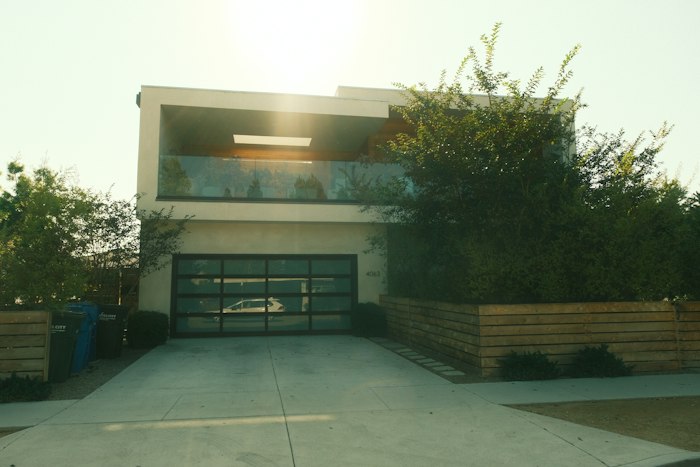
Culver City
Median $1,700,000
Two of West LA's fastest-rising markets compared head-to-head.
Mar Vista and Culver City sit shoulder to shoulder on the West LA map, separated by a few blocks of Venice Boulevard but separated by years on the appreciation curve. Five years ago, Culver City was where Mar Vista is today — quiet, undervalued, the kind of neighborhood buyers chose because they were priced out of Venice. Then Apple opened a campus, HBO moved in, Amazon Studios planted a flag, and Culver City became Silicon Beach's gravitational center. Median prices climbed past $1.7M and appreciation hit 11.2% year over year — the fastest in West LA. Mar Vista is now where Culver City was. The bones are identical: walkable, family-oriented, mid-century architecture, proximity to Venice without Venice prices. The question for buyers in 2026 isn't which neighborhood is better — both are excellent. The question is whether you want to buy into a market that has already broken out, or one that is breaking out right now. This comparison breaks down median price, days on market, appreciation, schools, architecture, buyer profile, and the strategic case for each. By the end, you should know exactly which fits your budget, timeline, and goals.
Mar Vista runs from National Boulevard south to Venice, bordered by the 405 to the east and Centinela to the west. It is the West LA value play. Most of the housing stock is mid-century single-family on flat, walkable streets, with original Spanish bungalows and a growing wave of contemporary rebuilds. The Mar Vista Farmers Market on Sundays anchors a community feel that is rarely found at this price point in West LA. Buyers here are typically priced-out-of-Venice families, design professionals, and tech workers who want a real neighborhood with a yard and a garage. Inventory turns in 17 days on average — fast, but not Culver City fast. What is driving the 9.8% appreciation is not speculation; it is real demand from people who looked at Venice, looked at Culver City, and realized Mar Vista is the last sub-$2M coastal-adjacent zip code with good elementary schools. The 90066 area code is one to watch. Most buyers I work with in Mar Vista plan to hold 5 to 7 years and are betting on continued spillover from Venice and Culver City.
Culver City has transformed faster than any other West LA submarket in the last decade. Originally built around the MGM studio lot and Sony Pictures, the city quietly added Apple, Amazon Studios, HBO Max, and a wave of creative agencies — turning downtown Culver into a daily working hub for several thousand tech and entertainment professionals. Inventory now turns in 16 days, the tightest in West LA, and 11.2% YoY appreciation is exceptional. Architecture ranges from preserved Spanish Colonial and mid-century homes in the hills above downtown to modern condos and townhomes in the rebuilt downtown core. Buyers here are dual-income tech and entertainment professionals, often early-30s to mid-40s, often making their first or second home purchase. The walkability factor is real — buyers can park their car on Friday and not touch it until Monday. The strategic case for Culver City is the employer concentration: as long as Apple, Amazon, and HBO remain anchored here, demand floor stays high. The risk is that prices have already moved a lot. Entry now means accepting that the biggest appreciation gains are likely behind us.
Mar Vista Elementary, Grand View Elementary, and Marina del Rey Middle School draw strong family demand. LAUSD with active parent involvement; several charter and private alternatives within 10 minutes including Westside Neighborhood School and Wildwood.
Culver City Unified is its own district — separate from LAUSD — and is widely considered one of the strongest public school systems on the Westside. Linwood Howe, El Marino Language School (dual immersion Spanish/Japanese), and Culver City High all have strong reputations and drive significant family relocation demand.
Mar Vista Farmers Market (Sundays), Centinela Recreation Center, easy 10-minute drive to Venice Beach. Dining centered on Venice Boulevard — Tasting Kitchen offshoots, Little Fatty, and the new wave of casual chef-driven spots. Quieter nightlife than Venice or Culver.
Downtown Culver City is fully walkable. Platform shopping center, Citizen Public Market, Father's Office, Akasha, Vespertine. Kirk Douglas Theatre and the Culver Hotel anchor the cultural scene. The metro Expo Line connects to Santa Monica and downtown LA without a car.
Mar Vista's housing stock is dominated by mid-century single-family homes built between 1945 and 1965 — Spanish bungalows, ranch-style three-bedrooms, and post-war traditionals on 5,500 to 7,500 square foot lots. The streets are flat and walkable, with mature trees and a grid pattern that survives intact from the original subdivision. A growing wave of contemporary rebuilds — particularly in the western pocket near Centinela — is bringing modern glass-and-steel architecture into a neighborhood that historically resisted it. ADU additions are common, especially detached garages converted into rentable units. Buyers who want original character can still find unrenovated mid-century homes; buyers who want move-in-ready modernization can find recent flips, though premiums for fully renovated stock are now meaningful.
Culver City offers genuine architectural variety for a market this tight. The hillside neighborhoods above downtown — particularly Carlson Park and the Sunkist Park area — have preserved Spanish Colonial and California Craftsman homes from the 1920s and 1930s on larger lots. The flats near downtown have mid-century ranch and post-war single-family stock. Downtown Culver itself has rebuilt around modern condos and live-work townhomes, particularly along Washington Boulevard and the Hayden Tract. This range means buyers can find $1.7M starter single-family homes in the flats or $3M+ modern townhomes in the rebuilt downtown, both within a 10-minute walk of the same Platform shopping center. Architectural diversity is one of Culver City's underappreciated strengths.
Mar Vista's 17-day average days-on-market reflects real demand, not speculative churn. Well-priced homes routinely receive 6 to 12 offers within the first weekend, and 3 to 5% above-asking outcomes are common. Inventory is structurally low — Mar Vista has fewer than 100 active single-family listings in a typical month, against demand from priced-out-of-Venice buyers, design professionals, and tech workers expanding their search radius. The 90066 zip code consistently outperforms broader West LA on price per square foot growth. Inventory is most plentiful in late spring; the strongest negotiating leverage for buyers comes in December and early January.
Culver City's 16-day average is the tightest in West LA, and 11.2% YoY appreciation confirms the demand depth. The market is consistently bid-up: 8 to 15 offers on well-priced single-family homes in the hills is normal, and 5 to 10% above-asking outcomes are common. Inventory is structurally constrained because Culver City Unified retains families for the long term — homeowners often hold through two children's school cycles, which compresses turnover. Buyer competition is most intense in March through May, when relocating tech families time purchases to the school calendar. December offers the best negotiating window for buyers willing to move on a less competitive timeline.
Best fit: Buyers priced out of Venice or Santa Monica who want a real single-family home, a yard, and walkable Sunday mornings. 5 to 7 year hold horizon. Families with elementary-age kids. Design and creative professionals.
Best fit: Dual-income tech, entertainment, or creative agency professionals in their 30s and 40s. Buyers who value walkability over square footage. Investors looking at the strongest appreciation track record in West LA.
Investment thesis: Culver City represents the established Silicon Beach play — buy here for stable appreciation backed by Apple, Amazon, HBO employer concentration plus a top-tier school district. Forward returns are likely moderate (7 to 10% annually) with strong downside protection. Mar Vista represents the value play one cycle behind — buy here for higher upside potential if the Westside coastal-adjacent thesis continues to compress price gaps between neighborhoods. Forward returns are potentially higher (9 to 12% annually) with slightly more volatility. For investors with a 5 to 7 year horizon and capacity to renovate, Mar Vista offers superior total return potential. For investors prioritizing capital preservation and confirmed employer demand, Culver City is the cleaner trade.
Culver City wins on appreciation speed, school district strength, and tech-driven demand concentration. Mar Vista wins on value, single-family inventory, and upside potential for buyers who missed the Culver City window. Both are strong holds. The right call depends entirely on your budget, your timeline, and whether you want to buy into momentum or buy ahead of it. If you can stretch to $1.7M and want to be inside the Silicon Beach center of gravity, Culver City is the call. If you want a real house with a yard for under $1.6M and you are comfortable with a 5-year hold, Mar Vista gives you more upside per dollar than anywhere else in West LA right now.
"I am seeing Mar Vista move in ways that genuinely remind me of Culver City five years ago. The buyer profile is the same — young families, design professionals, people who looked at Venice and walked away. The architecture is the same — walkable streets, single-family bones, room to renovate. The difference is the starting point: Mar Vista buyers today are entering at a level Culver City buyers were entering at in 2020. If you are buying for a 5 to 7 year hold and you can be patient on amenities, Mar Vista gives you more upside per dollar. If you want to ride the Silicon Beach wave right now and you value walkability over square footage, Culver City is the answer — just accept that you are buying into a market that has already broken out, not one that is about to. Either way, I have closed in both markets and I can tell you what specific streets are moving and which to avoid."
Talk to Anthony — Free →Mar Vista is currently more affordable, with a median of $1,500,000 compared to Culver City's $1,700,000. The gap has narrowed significantly over the past three years as Mar Vista has appreciated, but Mar Vista remains the better entry point for buyers under $1.6M.
Culver City has the edge for public schools because Culver City Unified is its own district, separate from LAUSD, and is consistently ranked among the strongest public systems on the Westside. Mar Vista has solid LAUSD options and strong nearby private schools, but families prioritizing public education often choose Culver City specifically for the school district.
Culver City is appreciating faster at 11.2% year over year, compared to Mar Vista's 9.8%. However, Mar Vista is now at the same stage in the appreciation cycle that Culver City was at in 2020, so the multi-year forward outlook for Mar Vista may be stronger from a percentage-gain perspective.
Culver City homes sell in an average of 16 days. Mar Vista homes sell in 17 days. Both are tight markets — multiple offers are common, and well-priced homes often sell above asking within the first week.
Both have strong resale fundamentals. Mar Vista offers more upside if the Silicon Beach spillover continues. Culver City offers more stability because of entrenched employer demand from Apple, Amazon, and HBO. For a 7-year hold, both are defensible.
Yes, but inventory differs. Mar Vista is predominantly single-family with mid-century bones. Culver City has single-family in the hills and historic neighborhoods, but downtown Culver is increasingly condo and townhome stock. If a yard is non-negotiable, Mar Vista offers more options under $1.7M.
Both Mar Vista and Culver City are strong holds for the right buyer profile. The difference is timing on the appreciation curve and what specifically you want from daily life. If you want to be inside the Silicon Beach center of gravity and you can stretch to $1.7M, Culver City's school district, walkability, and 11.2% appreciation are an exceptional combination. If you want more upside per dollar and you are comfortable buying a market that is breaking out rather than one that has already broken, Mar Vista is the call. The most important decision is not which neighborhood — it is which specific street, which specific lot, and which specific seller. That is where local expertise matters. Reach out for a free CMA and a strategy conversation.